

The 13K Club Framework: Cultivating a Close-Knit Premium Neighborhood Asset Structure
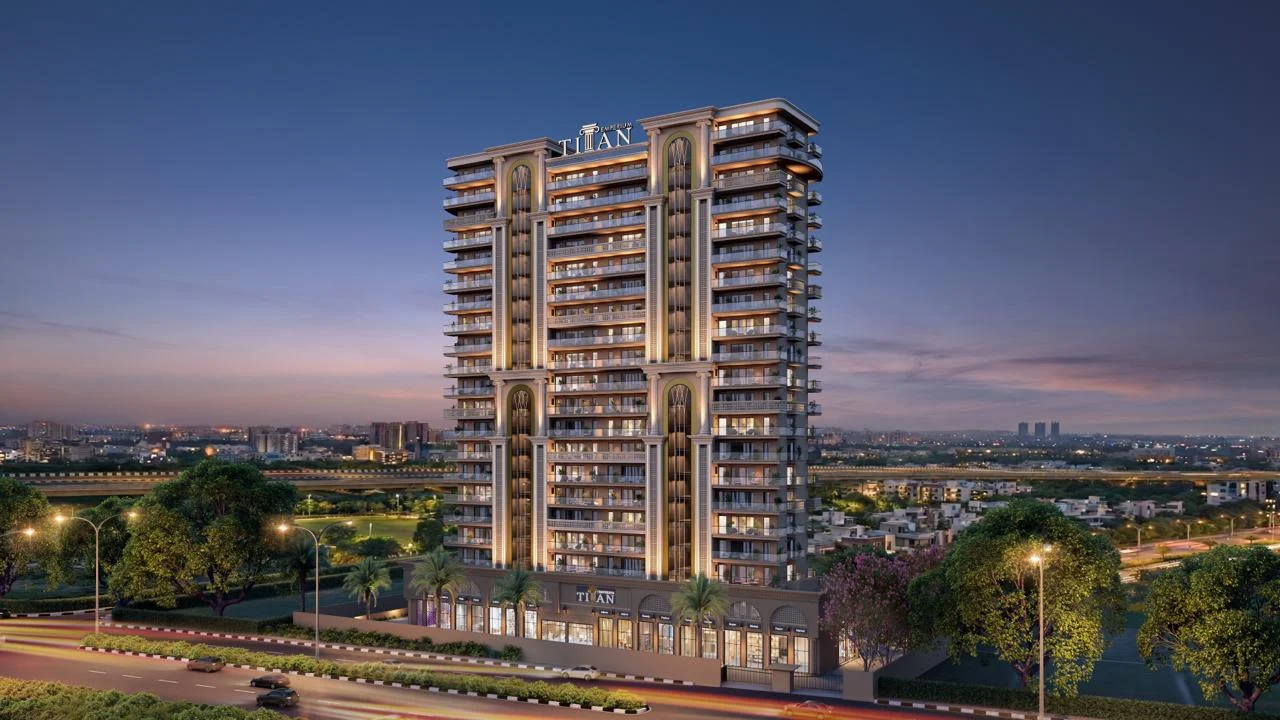
The 13K Club Framework appears here as a practical editorial model for creating premium, close‑knit neighborhoods that balance community, capital appreciation, and daily life quality. I bring years of residential market analysis and urban strategy to this piece, and I will guide you through how a project on Dwarka Expressway — Sector 88A, typology 3BHK (1906 sq.ft.) — can align with that model.
The 13K Club Framework: Cultivating a Close-Knit Premium Neighborhood Asset Structure
Core principles behind the 13K Club Framework
At its heart, the 13K Club Framework organizes 13 interlocking principles that make a neighborhood premium yet intimate. Each principle focuses on governance, amenity scale, maintenance economics, and resident experience. Consequently, the framework reduces ambiguity for investors and homebuyers.
Why this matters: small, repeatable design rules lower operating risk. Who it is ideal for: discerning buyers and boutique developers seeking long‑term value. What makes it unique: the framework insists on measurable governance and membership-style stewardship.
What success looks like under the 13K Club Framework
Success shows through lower vacancy friction, higher resident satisfaction, and resilient pricing. Practically, expect clearer service charges, predictable maintenance, and an amenity mix that supports a premium daily life.
Expectation: a cohesive community where shared spaces feel maintained, and where resale prospects reflect that discipline.
Why close-knit premium neighborhood assets outperform in demand and delivery
Why this matters for investors and residents
Close-knit premium assets reduce anonymity and align resident interests. As a result, buyers accept a slightly higher entry price for enduring quality. Furthermore, developers who create this alignment often capture sustained premium demand.
That matters because predictability in service and governance leads to capital preservation during market cycles.
Who benefits most from this structure
Families, professionals, and downsizers prefer predictable environments. Additionally, second‑home owners and rental investors value low turnover and high tenant retention. Therefore, the asset structure suits a mixed‑use occupancy strategy.
Practical insight: close-knit design reduces the effort needed for community management and makes targeted marketing more efficient.
How the project at Dwarka Expressway Sector 88A maps to the 13K Club Framework
Applying the 13K Club Framework to the Dwarka Expressway project
The development on Dwarka Expressway, Sector 88A, lists 3BHK 1906 sq.ft. units and describes the project as under construction. Key highlights note “16,000,” while the Price Per Sq. Ft. field contains “Standard Construction Schedule” in the provided data. Therefore, verify the exact pricing with the developer before committing.
Why this matters: precise price clarity affects yield calculations. Who it is ideal for: buyers seeking a premium 3BHK in a growing corridor who value a community model. What makes it unique: the project’s scale and location allow it to adopt the 13K Club Framework effectively.
Site-level advantages and infrastructure context
Dwarka Expressway has matured into a strategic corridor with improving connectivity to Delhi and to major highways. Consequently, projects here attract buyers prioritizing commutability and planned infrastructure.
Expectation: as surrounding infrastructure completes, a well‑executed close‑knit project will convert location advantages into steady demand.
| Field | Project Detail (as listed) |
|---|---|
| Project Name | The development on Dwarka Expressway, Sector 88A |
| Typology | 3BHK |
| Size | 3BHK – 1906 sq.ft. |
| Location | Dwarka Expressway, Sector 88A |
| Key Highlights | 16,000 (as listed) |
| Price Per Sq. Ft. | Field shows “Standard Construction Schedule” — buyers should confirm |
| Payment Plan / Status | Under Construction |
| Reference | Starting Price / Project page: https://www.royalresidencies.com/property/emperium-titan/ |
Practical investment analysis and pricing clarity for buyers
Price signals, payment plans, and what to ask
Under‑construction status means staged payments and developer milestones. Therefore, buyers should verify the payment schedule and linkage to construction stages. Additionally, request a clear breakup of price per sq.ft., parking charges, and PLCs.
Practical insight: confirm the “16,000” field meaning. It may indicate a price metric, but the provided sheet mixes labels. Consequently, insist on a written rate and an expectation timeline.
Return expectations, holding period, and risk profile
A disciplined close‑knit asset typically delivers stable returns rather than extreme volatility. For a Dwarka Expressway 3BHK, expect a mid‑to‑long‑term hold, usually four to eight years. Meanwhile, active improvements in corridor infrastructure can shorten that horizon.
Who it is ideal for: patient buyers seeking capital appreciation and rental stability, not speculative flip investors.
| Investment Question | Practical Expectation | Why it Matters |
|---|---|---|
| Entry Price Clarity | Obtain final price per sq.ft., all charges | Impacts yield and resale strategy |
| Payment Plan | Staged linked to construction milestones | Reduces funding risk, improves cashflow planning |
| Holding Period | 4–8 years typical | Market and infrastructure cycles affect returns |
| Maintenance & Governance | Membership-style management preferred | Improves long-term asset value |
Buyer guide: selecting the right 3BHK in a premium close‑knit setting
Using the 13K Club Framework to choose a home
Apply the framework as a checklist. Evaluate governance clarity, amenity scale, service charge transparency, and resident profile. As a result, you avoid homes that underdeliver on community promises.
What makes it unique: this method treats purchase as both lifestyle and asset decision. Therefore, prioritize projects that commit to long‑term operations and resident representation.
Lifestyle expectations, maintenance, and resale realities
Expect higher day‑to‑day standards in a 13K‑styled project. Consequently, maintenance budgets may be higher, but the benefits show through better upkeep and improved resale prospects.
Practical insight: compare projected service charges among similar projects, and verify scope of landscaping, security, and common area schedules.
Feature highlight: amenities, governance, and the small‑scale premium advantage
Amenity selection that supports the 13K Club Framework
Prefer amenities that encourage regular use and community interaction. Examples include a modest clubhouse, multi‑purpose lawn, and well‑scaled fitness facilities. As a result, amenities become value centers rather than costly, underused showpieces.
Why this matters: well‑matched amenities reduce operational waste and increase resident satisfaction.
Governance and long‑term stewardship
The framework requires a governance plan that defines resident roles, maintenance standards, and decision thresholds. Consequently, transparent processes avoid conflict and ensure capital allocation follows priorities.
Who it is ideal for: savvy buyers who plan to occupy long term or expect predictable rental performance.
| Framework Pillar | Practical Implementation | Buyer Expectation |
|---|---|---|
| Membership Governance | Resident council with clear bylaws | Transparent maintenance and decisions |
| Amenity Scale | Use‑oriented spaces sized to community | High utilization, lower waste |
| Maintenance Economics | Predictable service charges | Budget clarity for homeowners |
| Architectural Cohesion | Harmonized façades and materials | Stronger curb appeal and value |
Project comparison: how to weigh this Dwarka Expressway option against peers
Comparison criteria that reflect the 13K Club Framework
Compare projects on governance clarity, amenity relevancy, unit layouts, and actual operating cost projections. Additionally, validate construction timelines and developer track record. Therefore, you reduce surprises during possession and operation.
Who it is ideal for: buyers who prioritize long‑term ownership quality over short-term discounts.
Simple comparative table: decision levers
| Decision Lever | Higher Priority (13K) | Typical Market Alternative |
|---|---|---|
| Governance | Resident council + detailed bylaws | Standard HOA with minimal rules |
| Amenity Use | Functional, small scale | Large, spectacle amenities |
| Maintenance | Transparent, predictable costs | Variable, sometimes opaque charges |
| Resale Signal | Stable premium due to cohesion | Price swings with market cycles |
FAQ
What is the 13K Club Framework and how does it apply to this Dwarka Expressway project?
The 13K Club Framework is a structured approach of 13 principles for developing close‑knit premium neighbourhoods. For the Sector 88A project, it means evaluating governance, amenity scale, and maintenance transparency before purchase. In practice, apply the framework as a checklist during due diligence.
How do I verify the price per sq.ft. and the meaning of “16,000” shown in project data?
Ask the developer for an itemized price sheet. Confirm whether “16,000” is a price per sq.ft., a refundable deposit, or another metric. Additionally, request any parking or PLC charges in writing to calculate the all‑in price.
What should buyers prioritize if they want a low‑maintenance premium home?
Prioritize governance documents, predicted service charges, and a clear maintenance schedule. Look for amenity design that suits daily use. Finally, inspect the developer’s past projects for evidence of long‑term upkeep.
Is a 3BHK (1906 sq.ft.) on Dwarka Expressway a good rental investment?
It can be, provided you secure a fair entry price and the project executes on quality. Close‑knit premium projects often attract stable tenants. Therefore, emphasize proximity to transit nodes and employment hubs when assessing rentability.
How do payment plans affect my decision when the project is under construction?
Payment plans determine cashflow and financing needs. Prefer plans tied to construction milestones. Additionally, shorter payment horizons reduce interest costs. Negotiate clarity on escalation clauses and completion timelines.
What are realistic holding periods for capital gains in this corridor?
Expect a mid‑to‑long‑term hold of four to eight years, depending on infrastructure completion and market cycles. However, disciplined developments with strong governance can compress the horizon for realizing gains.
How does the 13K Club Framework affect service charges?
The framework favors transparent, predictable charges aligned with actual operations. As a result, residents see fewer surprise increases. Expect a line‑item budget for landscaping, staffing, and utility management.
Who is this type of project best suited for?
It suits families, professionals, and long‑term investors seeking stable, quality living. Also, buyers who value community governance and consistent maintenance will appreciate this model.
What immediate questions should I ask during a site visit?
Ask for: a unit plan, service charge estimates, the construction timeline, and the draft bylaws or governance structure. Additionally, inspect material samples and ask about the developer’s defect‑resolution process.
Choosing a home in a developing corridor like Dwarka Expressway requires clarity, patience, and a framework to compare options. The 13K Club Framework provides that structure, helping buyers and investors weigh lifestyle benefits against long‑term asset performance. When you combine careful due diligence with a preference for governance, amenity relevancy, and maintenance transparency, you increase the chances of owning a premium, resilient property that matches both daily living needs and investment goals.

