
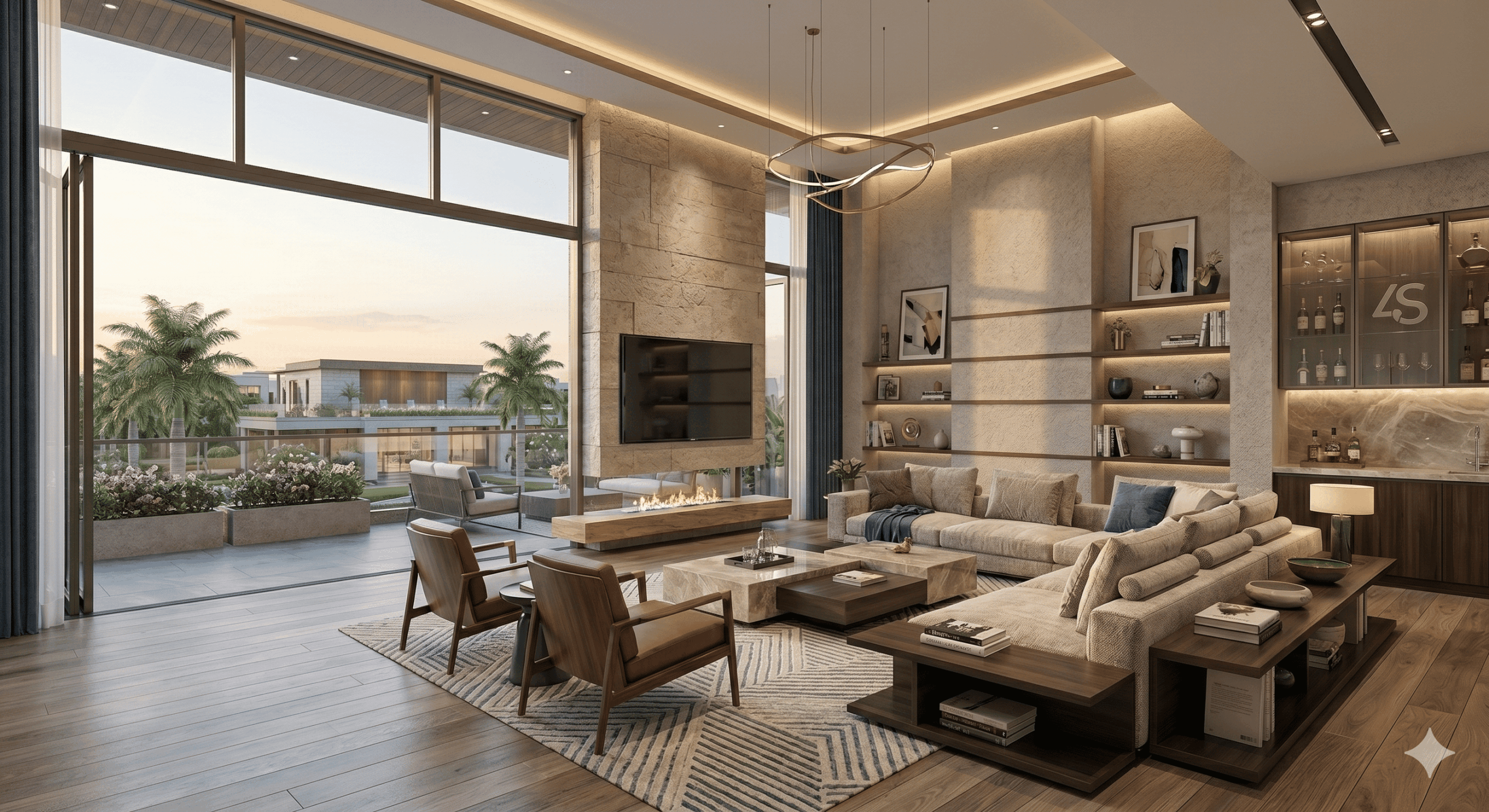

High-End VRV Air Conditioning Setup at 4S Luxury Floors

VRV Air Conditioning Setup is central to modern luxury living, and this analysis explains why it matters for buyers considering High-End VRV Air Conditioning Setup at 4S Luxury Floors on Dwarka Expressway. I draw on technical, lifestyle, and investment perspectives to provide actionable guidance and independent editorial insight.
High-End VRV Air Conditioning Setup at 4S Luxury Floors
VRV Air Conditioning Setup: Technical footprint for a 4 BHK + Puja (2350 sq.ft.)
The VRV air conditioning setup delivers zoned, efficient cooling that aligns well with the scale and layout of a 4 BHK + Puja-room apartment measuring 2,350 sq.ft. A Variable Refrigerant Volume (VRV) system uses multiple indoor units connected to one or more outdoor condensing units. This provides precise temperature control, reduced energy waste, and flexibility when homeowners want independent climate control for bedrooms, living areas, and the puja room.
Why this matters: In larger, premium residences, HVAC contributes significantly to monthly operating costs and occupant comfort. VRV systems reduce peak load and deliver steady temperatures across zones, which improves perceived luxury.
VRV Air Conditioning Setup: Installation timeline and cost expectations
Who benefits: Buyers who prioritize long-term comfort, low-noise operation, and future-proof systems benefit the most. Investors who value premium resale positioning also gain.
What makes it unique: For a 2,350 sq.ft. 4 BHK + Puja configuration, expect phased installation that runs from layout finalization to commissioning in roughly 2–4 weeks for indoor work and 1–2 days for outdoor placement, depending on site access and approvals. Costs vary with brand, number of indoor units, and additional controls, but VRV typically carries a higher upfront price than split systems while delivering lifecycle savings.
Why VRV Systems Shift the Home-Comfort Balance
Precision zoning and day-to-day lifestyle impact
Why this matters: VRV systems allow independent temperature control for each room. Families see immediate comfort gains; parents can keep bedrooms cooler while living spaces stay warmer. As a result, daily comfort improves without wasting energy on unoccupied zones.
Practical insight: In a 4 BHK plus puja room layout, a typical plan includes four or five indoor units: master bedroom split or cassette, secondary bedrooms, living/dining with a concealed cassette, and a dedicated small unit for the puja room. This arrangement supports selective cooling and energy management through central controllers or smart thermostats.
Energy performance, noise, and indoor air quality benefits
Who it is ideal for: Buyers sensitive to energy costs and sound levels value VRV. These systems operate across variable compressor speeds, which lowers electricity draw during partial loads and reduces noise compared with older central chillers.
What to expect: Improved IAQ arises from better air filtration options and consistent airflow. Consequently, occupants notice fewer hot spots, less humidity fluctuation, and quieter operation—factors that reinforce the premium feel of a home at 4S Luxury Floors.
How 4S Luxury Floors Matches VRV Expectations in Dwarka Expressway
Location advantages for system performance and serviceability
Why this matters: Dwarka Expressway and Sector 88B present practical benefits for mechanical system installations, such as accessible service corridors and utility provisions for new launches. 4S Luxury Floors sits in a developing corridor where property designs increasingly plan for modern HVAC solutions.
Who it is ideal for: Buyers who need efficient long-term serviceability—residents with busy schedules or those who travel frequently—will appreciate proximity to service providers and easy outdoor-unit access in new-project formats.
Project specifics that inform system choices
What makes it unique: 4S Luxury Floors is a new launch project offering 4 BHK + Puja configurations (2,350 sq.ft.). The developer’s layout choices and utility planning create clear pathways for concealed ductwork or multi-split indoor units. Additionally, the project’s positioning on Dwarka Expressway adds resale appeal for luxury-ready systems like VRV.
Practical expectation: Expect the developer or owner to coordinate with VRV vendors regarding outdoor unit load placement and vibration isolation. Negotiating pre-installed or vendor-supported commissioning at purchase time can save headaches later.
| Project Detail | Value / Note |
|---|---|
| Project Name | 4S Luxury Floors |
| Location | Dwarka Expressway, Sector 88B |
| Typology | 4 BHK + Puja Room — 2,350 sq.ft. |
| Key Highlight | 14,500 (reference figure from project data) |
| Payment Plan | 30:70 Flexi Plan |
| Stage | New Launch |
Installation Considerations Specific to a 4 BHK + Puja at 4S Luxury Floors
Site access, outdoor-unit placement, and structural needs
Why this matters: Outdoor-unit placement affects neighbors, structural loading, and HVAC performance. Balanced placement reduces pipe lengths and improves efficiency. At 4S Luxury Floors, buyers should confirm the building’s scheme for outdoor units—roof-top, balcony areas, or service ducts.
Practical insight: Shorter refrigerant piping and clever placement simplify maintenance and lower installation cost. When buyers request pre-planned outdoor unit zones, contractors can reduce field changes and accelerate handover.
Ducted vs. ductless options and ceiling integration
Who it is ideal for: Buyers who prefer clean ceiling lines and central control choose concealed ducted units. Those seeking lower upfront costs or retrofit simplicity prefer wall-mounted indoor units.
What makes it unique: The puja room often requires special consideration for airflow and acoustic isolation. VRV allows a small, quiet indoor head dedicated to that zone. For a 2,350 sq.ft. layout, concealed cassettes in common areas and compact units in bedrooms strike the right balance between aesthetics and performance.
Comparing VRV with Conventional Split and Central HVAC Systems
Operational cost and lifecycle comparison
Why this matters: Buyers must evaluate total cost of ownership, not just initial price. VRV systems cost more upfront but typically reduce electricity bills under partial-load conditions. They also extend equipment life through modulating compressors and controlled start-stops.
Space, noise, and maintenance trade-offs
Who it is ideal for: Households that value quiet operation and coordinated aesthetics favor VRV. Owners on tighter budgets or smaller units may prefer conventional splits to lower initial expenses, while central systems suit very large apartments with shared duct trunks.
Practical insight: VRV requires periodic professional maintenance and occasional refrigerant checks. Owners should plan annual service contracts and reserve space for service access at outdoor unit locations.
| Feature | VRV | Conventional Split | Central HVAC |
|---|---|---|---|
| Upfront Cost | High | Low–Medium | High |
| Operational Efficiency | Excellent (partial load) | Good (fixed speed) | Good–Excellent |
| Zoning & Control | Individual zone control | Per indoor unit | Zone dependent (expensive) |
| Noise | Low | Medium | Low (with insulation) |
| Maintenance | Professional, annual | Periodic, owner-friendly | Professional, regular |
Investment and Buyer Guide: How VRV Enhances Value at 4S Luxury Floors
Why VRV strengthens resale and rental potential
Why this matters: High-end HVAC systems communicate quality to discerning buyers. In the Dwarka Expressway market, apartments that offer modern comfort systems attract premium buyers and command stronger rental yields.
Practical expectation: When clients seek luxury-ready homes, they look for efficient, low-noise HVAC and smart controls. A VRV installation signals a modern utility baseline and can shorten sales cycles for a property in Sector 88B.
Buyer profiles best suited for VRV-equipped homes
Who it is ideal for: Dual-income families, professionals who value home comfort, downsizers seeking reliable systems, and investors targeting premium tenants all benefit. For the 4 BHK + Puja at 4S Luxury Floors, VRV aligns with lifestyle expectations for space, privacy, and low maintenance.
What makes it unique: The project’s payment plan—30:70 Flexi Plan—and positioning as a new launch make it attractive to buyers who prefer staged payment structures and early customization choices like HVAC vendor selection.
Practical Checklist for Buyers Planning a VRV Air Conditioning Setup
Pre-purchase decisions and vendor coordination
Why this matters: Decide whether the developer includes HVAC or if you will install post-possession. Early vendor coordination avoids conflicts with structural elements and optimizes piping runs.
Practical insight: Confirm outdoor unit area, power supply specs, and warranty terms. Negotiate commissioning and training as part of handover. These steps reduce unexpected costs and ensure reliable performance.
Service, warranty, and lifecycle planning
Who it is ideal for: Owners who plan to hold the property as a primary residence or as a long-term investment should prioritize extended service contracts and detailed maintenance plans.
What to expect: Typical VRV warranties cover compressors and major components, but owners should budget for annual preventive maintenance and occasional refrigerant top-ups after several years.
FAQ
Is VRV Air Conditioning Setup overkill for a 4 BHK + Puja of 2,350 sq.ft.?
No. VRV works well in this size and typology. It provides zoned control, quieter operation, and better partial-load efficiency. For families wanting true comfort and long-term energy savings, VRV fits the bill.
How long does a VRV installation take in a new launch like 4S Luxury Floors?
Installation for a 4 BHK typically spans 2–6 weeks depending on coordination with structural work and site access. In a new launch, pre-planning can shorten this timeline significantly.
What are the realistic cost ranges to expect for VRV in this project?
Costs vary with brand, indoor unit types, and control options. Expect higher upfront investment than split systems but lower operational costs. Use the project’s payment flexibility—30:70 Flexi Plan—to manage cashflow without compromising on system choice.
Will VRV handle Dwarka’s summer heat effectively?
Yes. Modern VRV systems deliver reliable cooling even during peak heat. They modulate compressor speed to match load, which improves comfort and reduces energy spikes during hot spells.
Does VRV require more maintenance than split systems?
Maintenance focuses on professional preventive servicing, filter cleaning, and occasional leak checks. While VRV requires skilled technicians, the overall maintenance cycle is predictable and supports better longevity.
Can VRV integrate with smart-home controls and IAQ devices?
Yes. Most VRV systems offer integration with central controllers and third-party smart-home platforms. This enables scheduling, remote monitoring, and integration with ventilation and IAQ sensors for an elevated living experience.
How should buyers at 4S Luxury Floors factor VRV into resale value?
Buyers should see VRV as a premium amenity that uplifts desirability. When marketed properly, a well-maintained VRV system can support higher asking prices and faster sales in a competitive Dwarka Expressway segment.
Are there regulatory or building approvals needed for outdoor units at Sector 88B?
Yes. Confirm local building regulations and the developer’s MEP plan. New launches often include provisions for outdoor equipment. Buyers should verify these details during booking to avoid retrofit complications.
Should buyers request pre-installation as part of the purchase?
When possible, yes. Negotiating pre-installation or at least reserved spaces for outdoor units helps minimize later structural modifications and aligns the home with buyer expectations on move-in day.
Choosing a VRV air conditioning setup for a 4 BHK + Puja at 4S Luxury Floors combines performance, comfort, and market appeal. For buyers on Dwarka Expressway, the system supports modern living standards while enhancing resale and rental potential. Evaluate vendor options early, confirm site provisions, and prioritize long-term serviceability to ensure that your HVAC investment delivers the quiet, efficient comfort that a luxury residence should provide.

