

The Asset Multiplier Effect: Exploring Golf Course Extension Road’s Direct Impact on BPTP Downtown
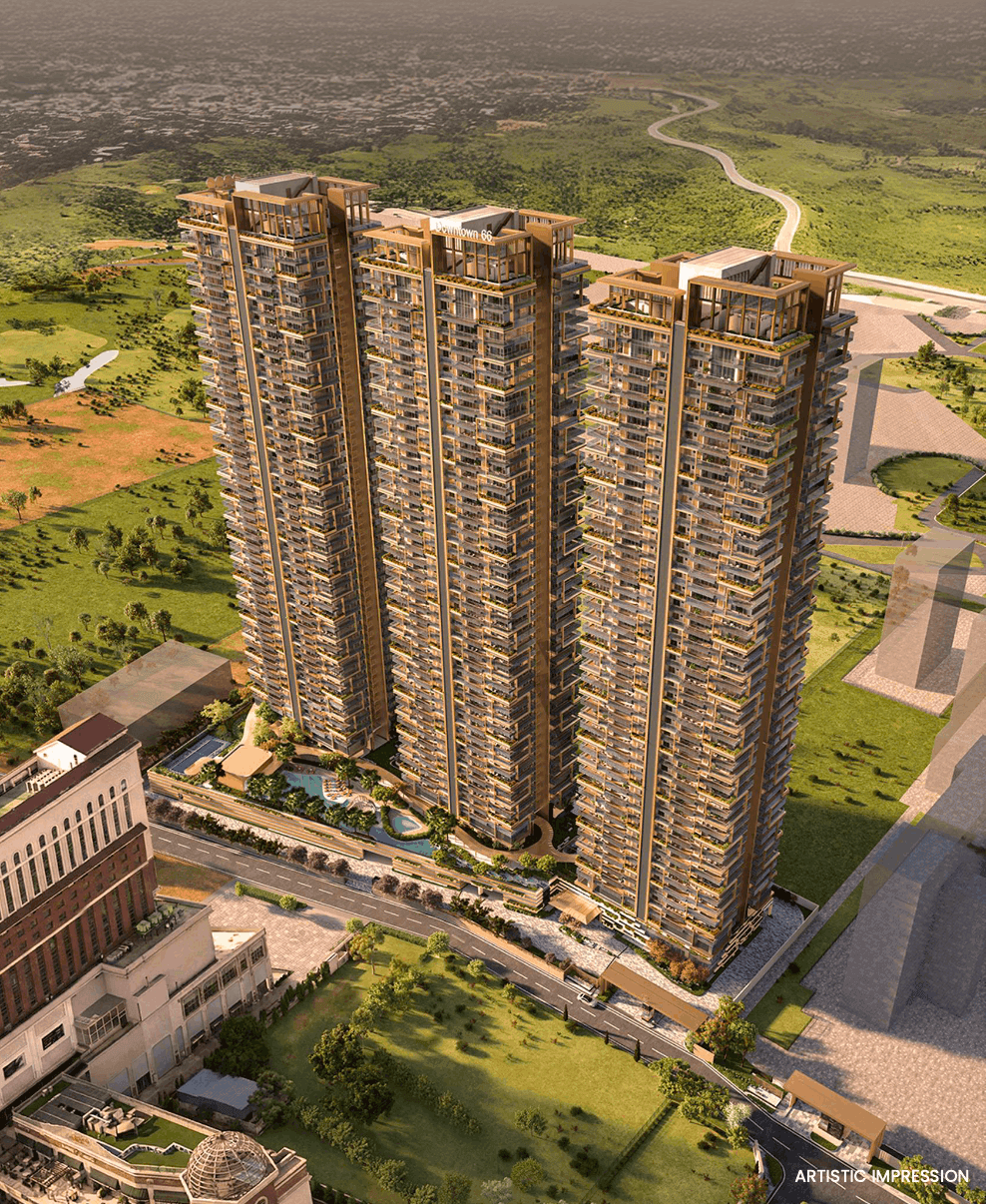
Golf Course Extension Road shapes long-term value near BPTP Downtown within the first market signals; as a senior editorial analyst I map precisely how that corridor becomes an asset multiplier for buyers and investors.
The Asset Multiplier Effect: Exploring Golf Course Extension Road’s Direct Impact on BPTP Downtown
How Golf Course Extension Road drives asset multipliers
Why this matters: major arterial upgrades concentrate demand, raise land values, and accelerate retail and office absorption. When a corridor like Golf Course Extension Road improves, residential projects near it capture outsized capital appreciation.
Who it is ideal for: buyers seeking capital appreciation and investors looking for predictable growth corridors. Developers also see lower marketing churn and faster sales velocity.
What makes it unique: this road benefits from a mix of corporate spillover, new retail nodes, and steady residential demand. Consequently, projects in the immediate catchment show earlier price discovery than those farther afield.
Practical insight: proximity should not be the only criterion. Assess walkability to the road, planned infrastructure triggers, and the project’s phasing. BPTP Downtown sits within Sector 66, an address that captures those demand drivers without being solely speculative.
Why this matters for BPTP Downtown
Why this matters: BPTP Downtown directly benefits from the corridor’s rising profile. Buyers trade on location premiums and convenience. Therefore, a project on the Golf Course Extension Road vector often commands stronger resale interest.
Who it is ideal for: professionals who value commute-time predictability and families seeking long-term appreciation. Investors targeting rental yield also gain from corporate proximity.
What makes it unique: BPTP Downtown pairs premium-sized layouts with a location that is both visible and accessible. Its 3 + S (2,538 sq.ft.) and 3.5 + S (2,900 sq.ft.) configurations address a segment that values space and privacy.
Practical insight: when evaluating BPTP Downtown, weigh price per square foot against effective usable area and amenity quality. The provided sheet lists a price point of 22,500 per sq.ft. as a key figure and indicates a possession-linked payment plan during under-construction status. Use those data points to model cashflow and holding period scenarios.
A Project Review That Prioritizes Value and Practicality
What BPTP Downtown offers to discerning buyers
Why this matters: buyers need clarity on product fit and lifestyle alignment. BPTP Downtown targets the premium family segment with large-format apartments that favor functional living and privacy.
Who it is ideal for: multi-generational families, executives who prefer spacious homes, and investors targeting low-turnover tenants. The 3 + S at 2,538 sq.ft. and 3.5 + S at 2,900 sq.ft. provide a clear size ladder.
What makes it unique: the combination of size, layout choice, and location in Sector 66 frames a differentiated product in the Golf Course Extension Road micro-market.
Practical insight: consider net usable area and typical maintenance charges for large apartments. Also, confirm parking allocation per unit and service access to understand both living convenience and operating cost.
How project timing and payment structure influence buyer decisions
Why this matters: possession-led plans reduce financing risk and align developer cashflow with delivery milestones. BPTP Downtown uses a possession-linked plan while the project is under construction.
Who it is ideal for: buyers who prefer lower short-term cash outflow, and investors who want the clarity of staged payments. Financially conservative buyers gain predictability.
What makes it unique: possession-linked plans typically align incentives between buyers and developers. This reduces construction-delivery mismatch risks and can improve buyer confidence.
Practical insight: request a payment schedule and linking events. Verify developer track record for on-time delivery on possession-linked projects to estimate realistic possession windows.
| Specification | Detail |
|---|---|
| Project Name | BPTP Downtown |
| Location | Sector 66, Golf Course Extension Road |
| Typology | 3 + S / 3.5 + S BHK |
| Sizes | 3 + S: 2,538 sq.ft.; 3.5 + S: 2,900 sq.ft. |
| Price per sq.ft. | 22,500 (as listed) |
| Payment Plan | Possession Linked; Project Under Construction |
| Purchase Info | Starting price and details: see project listing |
Location Dynamics: How Nearby Infrastructure Shapes Long-Term Returns
Connectivity that converts into demand
Why this matters: connectivity reduces friction for daily commutes and improves tenant demand. Properties near major corridors attract both end-users and office-linked renters.
Who it is ideal for: professionals working in nearby business districts, and investors who target stable rental pools.
What makes it unique: Golf Course Extension Road often functions as a spine connecting employment hubs and retail clusters. That positioning amplifies footfall and utilities expansion.
Practical insight: map travel times to probable workplaces and hospitals. Shorter commutes translate into rental premium and shorter vacancy cycles.
Neighborhood development and civic amenities
Why this matters: supporting civic projects—schools, hospitals, retail—sustain long-term livability and demand. A growing neighborhood also attracts better public transport and private investment.
Who it is ideal for: families that value access to quality schools and healthcare, and investors seeking lower downside from obsolescence.
What makes it unique: Sector 66 near Golf Course Extension Road sits within a broader development envelope. That environment tends to attract curated community amenities rather than ad-hoc growth.
Practical insight: examine municipal plans for zoning, public transport extensions, and utility upgrades. These upgrades often trigger the next band of price appreciation within five years.
Investment Analysis: Expected Returns, Timing, and Risks
Price drivers and demand signals
Why this matters: understanding drivers clarifies upside potential. For BPTP Downtown, primary drivers include the corridor’s rising profile, product scarcity for large apartments, and the project’s delivery timeline.
Who it is ideal for: medium-term investors (3–7 years) who want capital appreciation and yield combined.
What makes it unique: large-format homes reduce supply elasticity in the resale market. Coupled with the Golf Course Extension Road demand vector, this creates a focused appreciation thesis.
Practical insight: model returns using conservative annual appreciation of 6–8% for a stabilized corridor, and stress-test scenarios with 3–5% appreciation to measure downside risk.
Risks and mitigation for discerning investors
Why this matters: no corridor story is risk-free. Construction delay, macro liquidity cycles, and neighborhood saturation can compress returns.
Who it is ideal for: risk-aware investors who can tolerate mid-term illiquidity and who value structural location premiums.
What makes it unique: possession-linked payment reduces builder risk but does not eliminate market risk. BPTP Downtown’s large units may see slower turnover but higher realized prices.
Practical insight: mitigate risk by diversifying across micro-markets, confirming legal clearances, and aligning the purchase with a realistic holding period tied to possession and delivery.
Buyer Guide: Matching Needs to BPTP Downtown’s Features
For end-users and families
Why this matters: end-users prioritize liveability, privacy, and predictable running costs. BPTP Downtown’s large unit sizes directly respond to these needs.
Who it is ideal for: families with children, households that favor separate servant quarters (S), and those seeking a permanent home rather than a short-term upgrade.
What makes it unique: the 3 + S and 3.5 + S typologies create layout flexibility for multi-generational living without sacrificing amenity space.
Practical insight: visit show flats to validate daylight, cross-ventilation, and room ergonomics. Also, verify school catchment options and local healthcare access.
For investors and portfolio builders
Why this matters: investors prioritize rental yield, capital appreciation, and exit flexibility. Corridor-driven demand improves each metric when fundamentals hold.
Who it is ideal for: HNIs and family offices building residential exposure with a long-term horizon, and buy-and-hold investors focusing on capital gains.
What makes it unique: BPTP Downtown’s scale and micro-market positioning can produce lower yield volatility compared with smaller infill products.
Practical insight: calculate gross rental yield and compare against alternative assets. Account for maintenance and expected homeowner association charges when forecasting net return.
Feature Highlights: Design Choices That Matter
Built space and configuration
Why this matters: efficient layout maximizes usable living area and resale desirability. Large apartments can look generous or inefficient; the difference lies in design execution.
Who it is ideal for: buyers who need utility zones, servant rooms (S), and flexible bedrooms that can serve as studies or home offices.
What makes it unique: BPTP Downtown’s specified sizes—2,538 and 2,900 sq.ft.—place it in a premium bracket where quality finishes and functional circulation matter most.
Practical insight: check core-to-window distance and proportion of circulation area. A well-planned 2,538 sq.ft. flat can outperform a poorly planned 3,000 sq.ft. flat in both utility and resale value.
Lifestyle amenities and resident expectations
Why this matters: amenities determine day-to-day experience and influence tenant demand. Mature amenity clusters support higher asking rents and stronger retention.
Who it is ideal for: families desiring community spaces, and professionals seeking on-site convenience like fitness, play areas, and security.
What makes it unique: a project near Golf Course Extension Road tends to offer curated amenity mixes that align with premium buyer expectations. That alignment helps maintain brand perception and resale pricing.
Practical insight: verify amenity maintenance charges and schedule for shared spaces. High-quality maintenance preserves capital value and reduces long-term ownership friction.
Project Comparison: How BPTP Downtown Stacks Up Nearby
Comparative snapshot: product, price, and positioning
| Attribute | BPTP Downtown | Typical Nearby Premium Project |
|---|---|---|
| Primary Segment | Large-format family apartments (3+S / 3.5+S) | Mix of 2–4 BHK formats |
| Size Range | 2,538 – 2,900 sq.ft. | 1,200 – 2,800 sq.ft. |
| Price per sq.ft. | 22,500 (listed) | Varies; often lower for smaller units |
| Payment Plan | Possession Linked; Under Construction | Pre-launch and construction-linked variants |
| Competitive advantage | Space and corridor adjacency | Earlier possession or lower entry price |
Where BPTP Downtown wins and where buyers should be cautious
Why this matters: every project offers trade-offs. Understanding them sharpens acquisition decisions and reduces buyer remorse.
Who it is ideal for: buyers valuing size and long-term appreciation rather than the cheapest per-square-foot entry.
What makes it unique: BPTP Downtown’s large units and strategic Sector 66 location give it an appreciation edge when corridor demand strengthens.
Practical insight: buyers sensitive to upfront cost may prefer smaller units elsewhere. Evaluate lifestyle priorities versus capital allocation before committing.
FAQ
Is Golf Course Extension Road the primary reason to consider BPTP Downtown?
Yes, it is a major factor but not the only one. The road amplifies demand and connectivity, which are key inputs in the valuation equation. However, unit quality, developer delivery history, and possession timing also drive buyer decisions.
What are the standard sizes available at BPTP Downtown and why do they matter?
BPTP Downtown offers 3 + S at 2,538 sq.ft. and 3.5 + S at 2,900 sq.ft. These sizes matter because they target premium family living and multi-generational households. Larger sizes can lead to stronger resale prices in corridors where space is scarce.
How should I evaluate the listed price per sq.ft. of 22,500?
Treat the listed 22,500 per sq.ft. as a starting data point. Compare it with delivered product prices in adjacent sectors, and adjust for unit size, floor, and view. Also factor in possession-linked payment benefits and estimated maintenance charges to compute total cost of ownership.
What does ‘possession linked’ mean for my payment schedule and risk?
Possession-linked means a significant portion of payments aligns with the project’s completion milestones or handover. This reduces upfront cash outflow and developer risk. Still, verify contractual milestones and penalties for delayed possession.
Who is the ideal buyer profile for BPTP Downtown?
The project suits affluent families seeking large living spaces, investors targeting corridor-led appreciation, and buyers who prefer possession-linked financial pacing. It is less ideal for bargain-driven buyers who prioritize the lowest per-square-foot cost.
How soon can I expect appreciation linked to Golf Course Extension Road improvements?
Appreciation timing varies. Typically, visible infrastructure and active commercial activity create measurable price moves within 18–36 months. However, full corridor maturation and highest-tier premiums can take five years or more.
What due diligence should I perform before committing?
Confirm title and approvals, review the payment schedule and possession-linked clauses, visit the site for layout validation, and check developer track record on past delivery. Also, study local supply pipelines and municipal plans for transport and amenities near Sector 66.
How do maintenance and running costs affect long-term returns?
They matter significantly for large units. Higher maintenance reduces net yield and can affect tenant retention. Before purchase, obtain a projected maintenance schedule and typical monthly charges per sq.ft. to build accurate cashflow models.
Is BPTP Downtown more suitable for rental income or capital appreciation?
It offers both, but the product tilts toward capital appreciation given its large-format units and corridor location. Rental yields may be modest relative to smaller units, but the resale premium can offset that over a medium-term horizon.
Where can I find official pricing and booking details?
Use the developer’s official listing and project brochure for verified pricing and booking terms. The project listing link provides starting price details and contact points for official clarifications.
As urban corridors evolve, properties adjacent to well-trafficked, improving roads act as compounding assets; BPTP Downtown—positioned in Sector 66 with large-family layouts, a possession-linked plan, and a corridor-backed demand thesis—presents a clear case study in the asset multiplier effect. Buyers should match their holding horizon to delivery timelines, validate contractual protections, and weigh lifestyle needs against pure yield; done well, this disciplined approach converts location-led potential into realized returns.

