

The Low-Density Advantage: Spreading 336 Ultimate Units Across a Substantial 15.99 Acre Estate
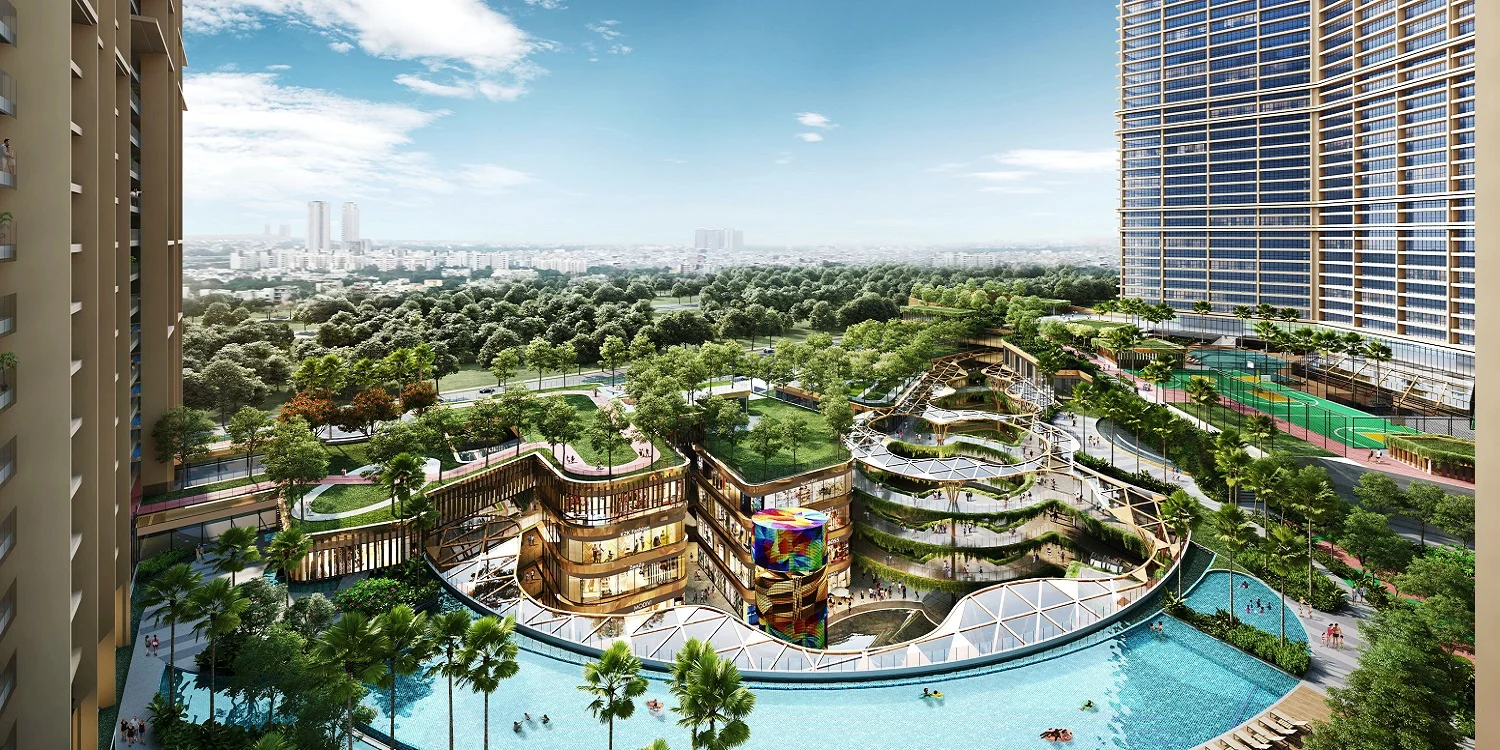
Low Density Advantage is the lens through which 336 units placed on a sprawling 15.99-acre site deliver measurable lifestyle and investment benefits at Dwarka Expressway.
The Low-Density Advantage: Spreading 336 Ultimate Units Across a Substantial 15.99 Acre Estate
Why the Low Density Advantage matters on Sector 111, Dwarka Expressway
Low density directly affects livability, privacy, and long-term value. When 336 units occupy nearly 16 acres, each home benefits from larger common areas, reduced congestion, and a stronger sense of permanence. These are not abstract perks. They translate into quieter evenings, cleaner shared amenities, and simpler logistics for services and maintenance.
This setting matters to families who value space and to investors seeking stable capital appreciation. Furthermore, under-construction developments with such layouts often command premium renter and buyer interest once supply tightens on the corridor.
Who gains most from the Low Density Advantage in this typology
Buyers who prioritize expansive living will find the 4 BHK + Helper Room typologies especially relevant. Units at 4,250 and 4,655 sq.ft. offer scale that suits multigenerational households and affluent professionals. Additionally, investors targeting long-term rentals or family buyers can expect steadier interest because low-density projects attract clients seeking durability and exclusivity.
Finally, those relocating to the National Capital Region (NCR) and seeking a suburban feel without losing urban access will find the balance compelling.
Project Review: What the scheme actually delivers
A concise project snapshot
This project occupies Sector 111 on Dwarka Expressway. The typology centers on 4 BHK + Helper Room flats. Two primary sizes are 4,250 sq.ft. and 4,655 sq.ft. The scheme plans 336 total units across 15.99 acres. The project sits under construction and offers an exclusive booking plan. Price per sq.ft. is listed at 23,500. These facts set the stage for both lifestyle and investment analysis.
Why this matters: Hard numbers remove ambiguity for buyers and investors. Who it is ideal for: families and long-term investors. What makes it unique: a deliberately low unit density for the segment. Practical expectation: expect spacious corridors, larger landscaped areas, and limited vehicular crowding.
Amenities and layout expectations without overstating features
Low-density layouts typically allocate more land to landscaping, play spaces, and leisure courts. While specific amenity lists vary by project phase, the principle remains: fewer units per acre increase usable open spaces. For families, this means safer play areas and quieter walks. For services, it yields more efficient maintenance and less strain on common utilities.
Transition: With layout advantages clear, location dynamics provide the other half of value.
| Project Element | Provided Data | Why It Matters |
|---|---|---|
| Location | Dwarka Expressway, Sector 111 | Strategic access to Gurgaon, Delhi, and NH corridors. |
| Site Area | 15.99 acres | Allows low-density planning and larger open areas. |
| Units | 336 | Balanced density for exclusivity and community scale. |
| Typology | 4 BHK + Helper Room | Suited to large families and premium renters. |
| Sizes | 4,250 / 4,655 sq.ft. | Generous living spaces; potential for high resale value. |
| Price per sq.ft. | 23,500 | Positioned in upper-mid to premium price band on the corridor. |
| Construction | Under Construction | Staged payments; potential for capital appreciation on completion. |
Location Guide: Why Sector 111 and Dwarka Expressway matter
Connectivity, infrastructure, and daily life
Dwarka Expressway functions as one of NCR’s fastest-growing residential corridors. It connects western Delhi to emerging growth centers in Gurugram. As a result, commute times improve for many professionals. Meanwhile, investment in road widening and metro extensions continues to strengthen the neighborhood’s transport base.
Why this matters: Better connectivity reduces friction for daily commutes. Who it is ideal for: buyers who split time between Delhi and Gurugram. What makes it unique: a distinct suburban corridor that still benefits from urban infrastructure upgrades.
Social infrastructure and future growth vectors
Sector 111 positions residents near schools, hospitals, and branded retail planned around the expressway. Public and private educational institutions target families moving to the corridor. Healthcare options scale up as population density increases. Consequently, low-density estates gain value when surrounding social infrastructure improves.
Practical insight: For families, proximity to quality schooling often trumps short-term price differences.
Investment Analysis: How the Low Density Advantage impacts returns
Low Density Advantage: Investment implications for capital appreciation and rentals
Lower density often translates into persistent buyer preference and limited comparative supply. This creates pricing resilience. For a property that lists at 23,500 per sq.ft., the combination of large unit sizes and scarce supply supports strong per-unit price growth. Furthermore, premium renters prefer spacious homes, which means rental yields can beat corridor averages for comparable built-up area.
Why this matters: Investors seeking lower volatility and steady appreciation will prioritize low-density projects. Who it is ideal for: conservative capital allocators and investors focused on high-quality tenants. Practical expectation: steady demand and selective price premiums post-completion.
Timing, payment structure, and risk considerations
The project is under construction and offers an exclusive booking plan. Under-construction status creates a timeline for value realization. Payments typically spread over milestones, which helps liquidity. However, buyers must consider construction risk, expense escalation, and the local delivery track record of developers.
Practical insight: Assess the developer’s completion history and confirm milestone timelines. Additionally, factor holding costs if you plan to wait for full appreciation before exit.
| Investment Factor | How Low Density Influences It |
|---|---|
| Demand Stability | Higher – lower churn among family buyers and premium renters. |
| Price Premium | Moderate to high – based on scarcity and unit scale. |
| Rental Yield | Potentially higher for large, finished 4 BHKs with helper rooms. |
| Resale Liquidity | Selective – higher prices but narrower buyer pool. |
| Time to Exit | Medium to long-term horizon recommended for optimal returns. |
Buyer Guide: Who should consider this project and why
Practical buyer profiles that match the offering
Primary candidates include large families, expatriates returning to India with extended family needs, and high-net-worth professionals seeking second homes near Gurgaon. Investors focusing on high-quality long-term tenants will also find the units attractive. Additionally, buyers emphasizing privacy and open amenity spaces will appreciate the scale.
Why this matters: Matching buyer intention with project design reduces regret and accelerates satisfaction after possession.
Budgeting, payment plan, and what to confirm before booking
Price per sq.ft. is 23,500. Sizes are large, so total ticket sizes will be substantial. The project uses an exclusive booking plan while under construction. Before committing, verify the booking terms, confirm milestone schedules, and demand a clear payment schedule. Also, confirm what common-area charges will cover and if any special levies exist for landscaping or club facilities.
Practical insight: Calculate total cost including GST, parking, and maintenance deposits. This prevents surprise cash flow shortages during the construction phase.
Feature Highlight: How design choices amplify the low-density premise
Spatial benefits inside the home and in shared areas
Larger apartments enable multiple living zones, utility spaces, and private staff quarters. Shared areas can be designed as mini-parks, courts, and paced promenades. The result: a community that feels less crowded throughout the day. Functionally, that reduces noise, dust, and wear on amenities.
Who benefits most: families with children and buyers who host guests frequently. Practical expectation: more usable square footage per family member compared to denser projects.
Maintenance, operations, and long-term comfort
Operationally, fewer units per acre simplify landscape and facility management. Teams can focus on quality rather than constant reactive maintenance. Over time, this helps preserve asset condition and curb appeal, supporting resale potential.
What makes it unique: deliberate allocation of land to communal comfort rather than maximizing unit count for short-term revenue.
FAQ
Common procurement and timing questions
- What is the timeline for possession? The project is under construction. Exact possession dates vary by block and delivery milestones. Confirm the developer’s current schedule and request milestone-based completion certificates before finalizing payment terms.
- How does the exclusive booking plan work? An exclusive booking plan typically stages payments across construction milestones. It offers early allocation but requires reviewing cancellation terms, escalation clauses, and any priority charges.
- Is the 23,500 per sq.ft. all-inclusive? Price per sq.ft. is a base rate. Additional charges such as GST, registration, parking, and maintenance deposits normally apply. Verify the full cost sheet before committing.
Practical suitability and logistics
- Who is this project best suited for? The offering suits large families, high-income professionals, and investors targeting premium long-term rentals or resale to family buyers. The large unit sizes and helper rooms favor multi-person households.
- How accessible is daily commute and public transit? Dwarka Expressway improves regional connectivity. Expect shorter drive times to Gurgaon business districts and emerging metro extensions. However, confirm local micro-commute factors like peak-hour bottlenecks.
- What should I inspect during a site visit? Check foundation progress, material quality, common-area allocations, landscaping plans, and parking arrangements. Ask to see the master plan to confirm low-density distribution and amenity placement.
Investment, resale, and maintenance concerns
- What is the expected appreciation pattern? Low-density, large-unit projects tend to appreciate steadily rather than spike. Appreciation relates to corridor improvements and completion quality. Expect a medium- to long-term horizon for optimal gains.
- How do maintenance costs compare? Monthly maintenance may be higher in absolute terms due to larger common areas, but per-resident value typically exceeds denser projects. Higher fees often buy better upkeep and longer asset life.
Deciding on a premium, low-density residence requires balancing lifestyle priorities with financial discipline. The project’s placement on Dwarka Expressway, combined with 4 BHK + Helper Room sizes of 4,250 and 4,655 sq.ft., creates a rare product mix for buyers who value space and future-proof living. Its under-construction status and exclusive booking plan open opportunities for phased investments and staged capital deployment, but due diligence remains essential.

